
Top-Rated Products For Lanai Roof Replacement To Elevate Your Exterior Design
Explore highly recommended materials and products that can upgrade your lanai roof for improved aesthetics and performance.
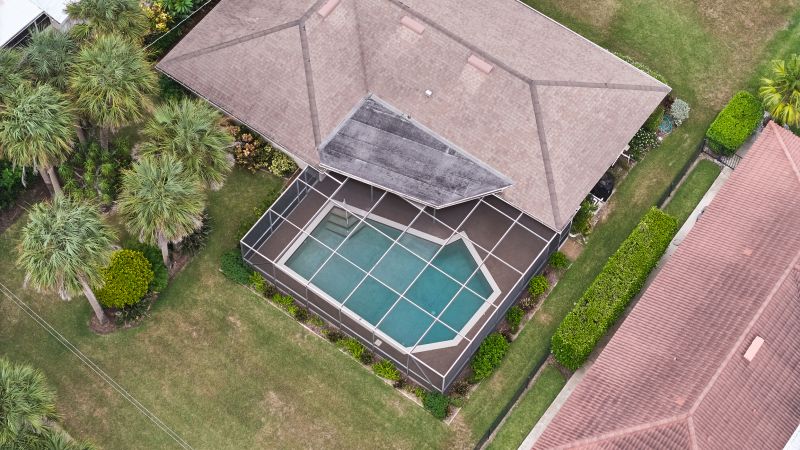 Replacing a lanai roof involves selecting materials that can withstand outdoor conditions while complementing the aesthetic of the space. Common options include various types of roofing materials such as metal, polycarbonate, acrylic, and fabric-based solutions. Each material offers different benefits in terms of durability, maintenance, and appearance, allowing homeowners to customize their outdoor living areas to their preferences.
Top Overall Option
Metal Roofing Panels
Metal roofing panels are a versatile choice for lanai roof replacements, offering durability and a long service life. They are available in various styles and finishes to match different aesthetic preferences. Metal roofs are resistant to weather elements, require minimal maintenance, and can be installed over existing roofing structures, making them a practical option for many homeowners.
Types of Products For Lanai Roof Replacements
Metal Roofing Sheets
Durable and weather-resistant sheets made from aluminum or steel, suitable for long-term outdoor use.
Polycarbonate Panels
Transparent or tinted panels that allow natural light while providing protection from UV rays.
Acrylic Roofing Sheets
Lightweight and clear options that offer UV protection and high impact resistance.
Shade Sails
Flexible fabric options that can be installed to provide adjustable shade and aesthetic appeal.
Retractable Awnings
Versatile fabric systems that can extend or retract to control shade and sunlight exposure.
PVC Roofing Sheets
Cost-effective, lightweight sheets suitable for temporary or semi-permanent roofing solutions.
Fiberglass Roofing Panels
Strong and translucent panels that provide natural light and weather resistance.
Wooden Pergola Covers
Natural wood structures with roofing options like slats or fabric for a classic look.
Polyester Canopies
Durable fabric canopies that offer shade and protection from rain, easy to install and remove.
Aluminum Roofing Sheets
Lightweight and corrosion-resistant, ideal for long-lasting outdoor roofing solutions.
PVC-Coated Fabric Awnings
Weather-resistant fabric with PVC coating for enhanced durability and color retention.
Corrugated Metal Panels
Traditional corrugated design offering strength and a rustic aesthetic.
Polyurethane Coated Panels
Panels coated with polyurethane for added weather resistance and UV protection.
Popular Choices
Popular for their transparency and durability, allowing natural light to brighten the lanai.
Widely used for their longevity and resistance to outdoor elements, suitable for various styles.
Flexible and convenient, these allow adjusting shade levels based on weather or preference.
Versatile fabric options that provide customizable shading and aesthetic appeal.
Clear or tinted sheets that combine lightweight design with UV protection.
Translucent and sturdy, offering natural light and weather resistance for outdoor spaces.
Corrosion-resistant and lightweight, suitable for long-term outdoor use.
Durable fabric options with weather-resistant coatings, easy to install and maintain.
Enhanced weather resistance with UV protection, suitable for various outdoor roofing needs.
Natural aesthetic with roofing options like slats or fabric for shade and style.
Affordable and lightweight, ideal for temporary or semi-permanent roofing solutions.
Classic design offering strength and rustic charm, suitable for various outdoor settings.
Metal roofing options are known for their longevity and resistance to elements like wind and rain. They are often made from aluminum or steel, providing a sturdy and low-maintenance solution that can last for decades with proper care. Polycarbonate and acrylic panels are popular choices for their transparency and ability to let in natural light, making the lanai feel open and airy. These materials are lightweight and easy to install, with options that include UV protection to prevent yellowing or degradation over time.
Fabric-based roofing systems, such as shade sails or retractable awnings, offer flexibility and ease of installation. They are suitable for those looking to create shaded areas that can be adjusted or removed as needed. These fabrics are typically made from weather-resistant materials designed to withstand sun exposure and moisture without deteriorating quickly.
When considering a replacement roof for a lanai, it is important to evaluate factors such as local climate conditions, maintenance requirements, aesthetic preferences, and budget. Proper installation is crucial to ensure the longevity and performance of the new roof. Consulting with professionals or doing thorough research can help in choosing the most suitable solution that enhances the outdoor space while providing protection from the elements.
Key Buying Considerations
- Assess the local climate to choose materials that withstand exposure to sun, rain, and wind.
- Consider the weight and ease of installation of the roofing material.
- Evaluate the level of maintenance required for each product type.
- Determine the desired level of natural light transmission or shading.
- Check for UV protection features to prevent material degradation.
- Ensure compatibility with existing structures or framing systems.
- Review the aesthetic style and color options to match your outdoor space.
- Estimate the overall cost, including installation and long-term maintenance.
- Verify durability and resistance to corrosion or impact damage.
- Consider whether the product allows for future modifications or upgrades.
- Assess ventilation options if needed to prevent heat buildup.
- Look for products with warranties or manufacturer guarantees.
- Think about the level of transparency or opacity based on privacy needs.
- Determine if the roofing material is fire-resistant or meets safety standards.
- Evaluate the availability of replacement parts or panels for future repairs.